Semi-synthetic fiber
Viscose
Viscose, labeled rayon in the US, is a semi-synthetic fiber made from regenerated cellulose that absorbs moisture like a natural fiber but loses much of its strength when wet.
Published · Updated
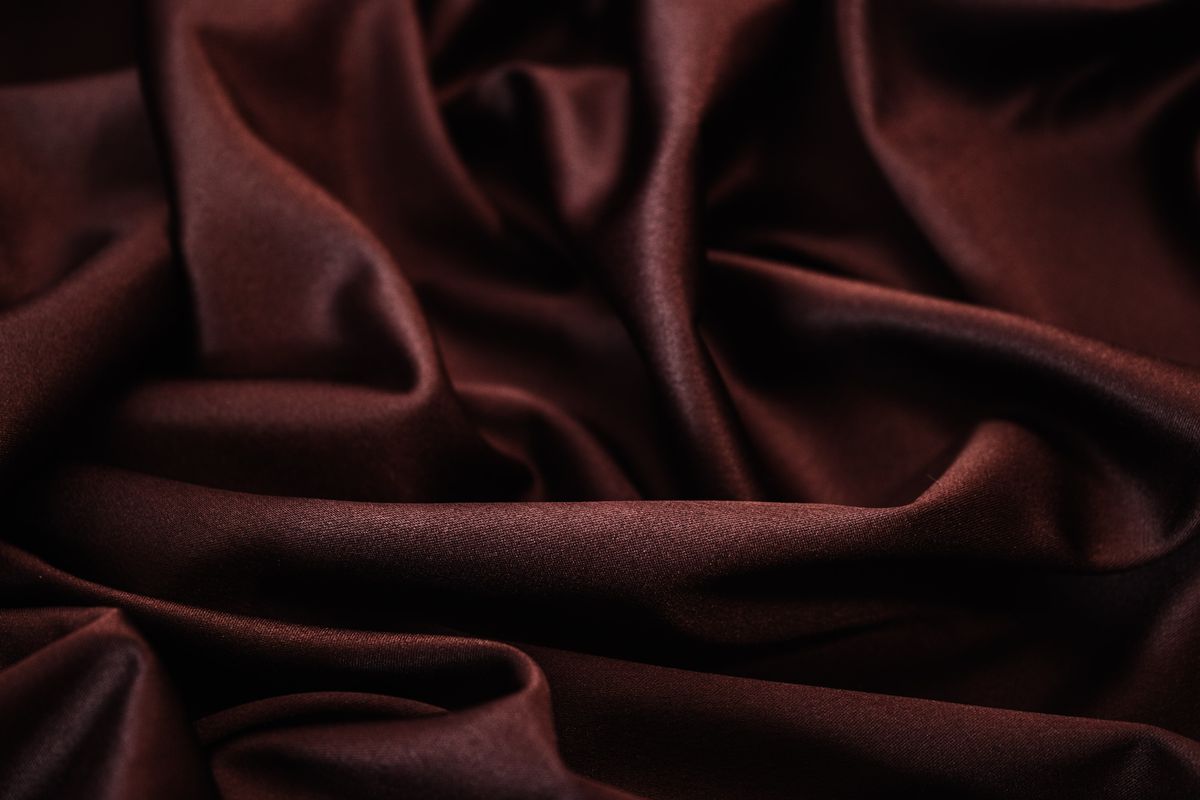
- Breathability
- Moderate
- Moisture
- Absorbs moisture readily, more than cotton by weight, and holds that water for a long time before it dries.
- How it wears
- Pills very little, but the fiber weakens when wet, so shrinkage, distortion, and wash damage are the main things to watch for.
- On the label
- Viscose, rayon, modal, and lyocell are all regenerated cellulose. US rules require bamboo-based fabric of this type to be labeled rayon or viscose, not bamboo.
Against skin
Viscose draws moisture into the fiber the way cotton does, so it doesn’t hold heat and dampness against your skin the way polyester can. It does stay damp for a while once it gets wet, which is worth keeping in mind.
Viscose sits between two categories, which is why it can be confusing. The raw material is cellulose, usually from wood pulp, but the fiber itself is manufactured. The industry calls it semi-synthetic, and it behaves quite differently from both cotton and polyester.
Is Viscose the Same as Rayon?
Yes. Viscose and rayon are the same fiber, usually called viscose on European labels and rayon on US ones.
To make it, wood pulp is dissolved into a thick liquid, forced through a spinneret, and regenerated as a solid cellulose filament. The process rearranges the cellulose without replacing it, which is why viscose acts like a plant fiber in some ways and like nothing else in others.
Conventional viscose production does rely on carbon disulfide, a chemical of concern. That’s a manufacturing issue rather than something in the finished fabric you bring home, but it’s worth knowing if production methods matter to you.
How Does Viscose Behave?
Viscose takes up more moisture than cotton does by weight, so it feels cool and doesn’t build up the static charge synthetics can. It has almost no elasticity and very little loft, which gives it that fluid drape but also means it doesn’t insulate well.
Compared with polyester, viscose is far more absorbent and much slower to dry. Compared with cotton, it’s smoother but weaker, and more prone to creasing and water marks.
The property that catches people by surprise is wet strength. Regenerated cellulose loses a large share of its strength while it’s wet, which is how a top that survived twenty wears can lose its shape in a single wash.
How Does Viscose Wear Over Time?
Viscose doesn’t pill much. The filaments are smooth, and the fabrics are usually flat rather than fuzzy.
It tends to fail in other ways instead: shrinkage, seam distortion, water marks, and abrasion damage while the garment is wet in the machine. A UK survey commissioned by WRAP and Defra, analyzed in the Journal of Cleaner Production in 2022, ranked pilling and color fading as the top two measured causes of garment failure, and viscose largely escapes the first one.
Wear testing is coming to verified garments in Lynen, but it isn’t live yet.
How Does Viscose Feel Against Skin?
Viscose draws moisture into the fiber rather than holding it at the surface, so it doesn’t trap heat and dampness against your skin the way polyester can. It does stay wet for a while once it’s soaked through, which is worth keeping in mind for sweaty days.
Both of those are fabric properties, not predictions about how your skin will respond. Finishing chemistry can matter as much as the fiber itself, and finishes never appear on a care label.
If your skin regularly reacts to particular garments, talk with your dermatologist. This is general wellness information, not medical advice.
Is Bamboo Fabric Actually Viscose?
Usually, yes. US rules require bamboo-based fabric made by this process to be labeled rayon or viscose, not bamboo, so that soft “bamboo” tee is normally viscose. The bamboo plant is the raw material, not the fabric.
The rest of the label deserves the same careful reading:
- Fiber family names. Viscose, rayon, modal, and lyocell are all regenerated cellulose made under different names and processes.
- Blend percentages. Viscose is often blended with polyester, and blend claims are where labels sometimes mislead most. In the EU’s inspection campaign published in June 2026, blends of natural and man-made fibers failed testing 64% of the time, compared with 37% overall.
- A certificate number rather than a logo. OEKO-TEX® Standard 100 offers a free Label Check on finished garments, and GOTS® maintains a searchable database.
Because blend claims are the least reliable line on a tag, Lynen commissions independent accredited laboratories to check them.
Why Does Viscose Shrink in the Wash?
Because the fiber loses a large share of its strength when it’s wet. Agitation and heat can tighten and distort fabric that handled just fine when dry, and some first-wash shrinkage is normal even when the label promises none.
The simple rule is to treat viscose as fragile whenever it’s wet. Hand wash it, or use a cool, gentle cycle with a mesh bag, and don’t wring or twist it.
Reshape the garment while it’s damp and dry it flat, since a wet viscose garment on a hanger can stretch under its own weight. If you iron, do it on low while the fabric is still slightly damp.
A little extra care on laundry day is really all viscose asks for!
Common questions about viscose
Is viscose the same as rayon?
Yes. Viscose and rayon are the same fiber, with viscose more common on European labels and rayon on US ones. Modal and lyocell belong to the same regenerated cellulose family, made under different names and processes.
Is bamboo fabric actually viscose?
Usually, yes. US rules require bamboo-based fabric made this way to be labeled rayon or viscose rather than bamboo. The bamboo plant is the raw material, not the fabric.
Why does viscose lose its shape?
Viscose loses a large share of its strength when wet, so the agitation of a normal wash can distort it in ways dry handling never would. Reshaping the garment while it’s damp and drying it flat helps protect it.
Read next
This is general wellness information drawn from published research.