Semi-synthetic fiber
Modal
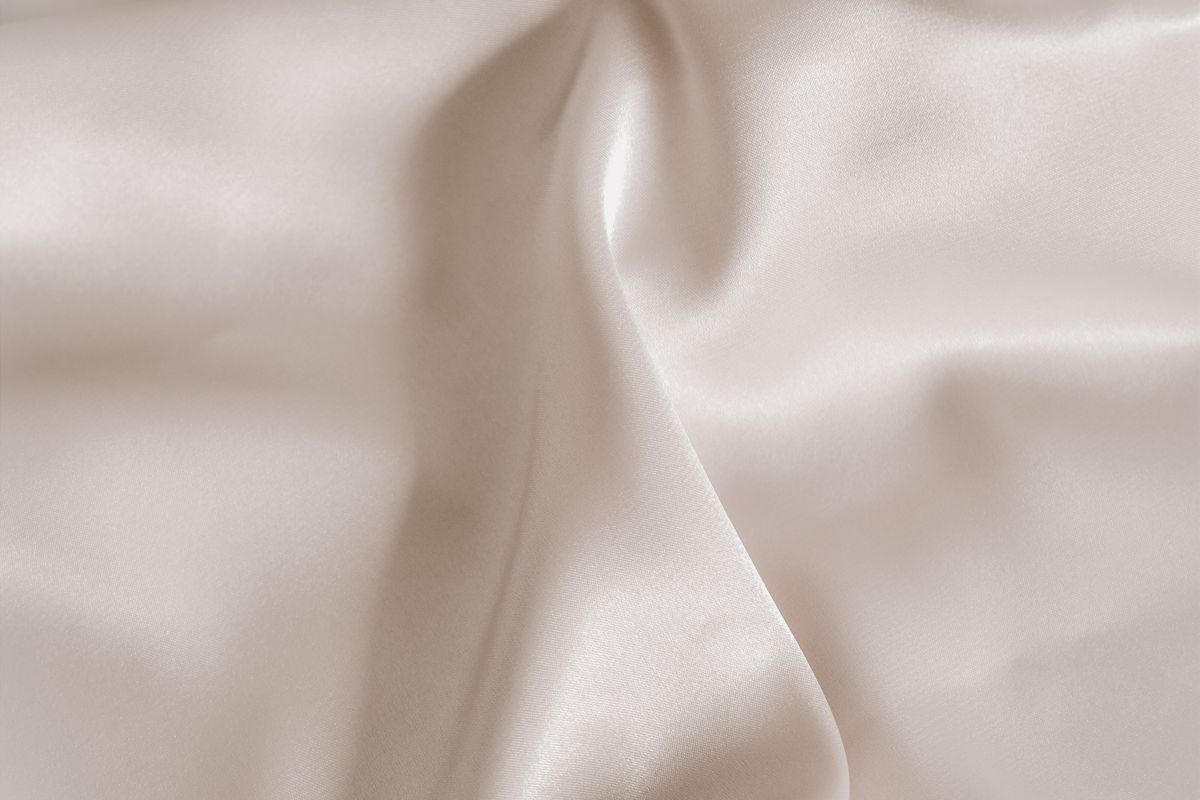
Modal is a regenerated cellulose fiber related to viscose, known for feeling especially soft and holding up better in the wash.
Published · Updated
- Breathability
- Moderate
- Moisture
- Absorbs moisture readily, about as well as cotton, and holds up in the wash better than viscose
- How it wears
- Pills very little and holds its shape and size in the wash far better than viscose
- On the label
- Modal is regenerated cellulose, whatever the marketing around it says. It’s most often blended with cotton or a small amount of elastane in underwear and sleepwear, so check the actual percentages rather than the softness claims.
Against skin
Modal is smooth, light, and absorbent, so it can move moisture into the fiber instead of leaving it sitting on your skin. That softness is a big reason it shows up so often in underwear and sleepwear.
If you’ve ever worn a shirt that felt even softer than your favorite cotton one, there’s a good chance it was made with modal. Modal fabric rarely gets named outside the fiber line on the label, but it’s a favorite for underwear, sleepwear, and loungewear, the clothing that spends the most time against your skin.
Here’s what modal is, how it behaves, and what to look for on the label.
Is Modal the Same as Viscose?
They’re in the same family, but they’re not the same fiber. Both start as plant cellulose (usually beech wood, in modal’s case) that’s dissolved and re-spun into filament, the same way viscose is made.
The difference comes in the spinning. Modal is produced to be stronger when wet, with a finer, smoother profile. That wet strength is why modal generally survives the washing machine trips that can distort a viscose top, and it’s most of what you’re paying for when a garment says modal instead of rayon.
How Does Modal Feel and Behave?
Modal absorbs moisture readily, about as well as cotton, so it tends to feel cool rather than clammy. It also builds very little static, drapes softly, and holds dye well. Because it has little loft, it layers close to the body without adding bulk.
Compared with cotton, modal feels smoother and silkier in your hand. Compared with polyester, it’s far more absorbent and much less likely to hold onto odor.
How Does Modal Hold Up?
Quite well, with one caveat. Modal pills very little, since the filaments are smooth and the fabrics made from them are usually flat knits rather than brushed surfaces. And unlike viscose, modal can generally handle repeated washing without losing its shape, which is why underwear and sleepwear rely on it so much.
The weak point is heat. High dryer temperatures and hot irons can stress both the fiber and the elastane it’s often blended with, and heavy use will eventually thin a lightweight modal knit.
How Does Modal Feel Against Skin?
The properties that matter most are smoothness and absorbency. Modal can move moisture into the fiber rather than leaving it sitting on the surface of your skin, and its low friction is a big part of why it’s so common in clothing worn directly against the body.
One thing to keep in mind: the finish applied at the mill can matter as much as the fiber itself, and care labels don’t mention finishes. This page describes fabric properties, not medical advice, so if certain garments regularly bother your skin, talk with your dermatologist.
What Should You Check on the Label?
The fiber line. Modal is regenerated cellulose, whatever the marketing around it says. Phrases like “beechwood softness” are marketing language; the fiber content is what actually tells you what you’re buying.
The blend. Modal usually appears with cotton for structure or with a few percent of elastane for stretch recovery. The percentages make a real difference in how a garment feels and wears.
Treat the percentages as a claim, not a guarantee. Labels can sometimes mislead. In the EU’s inspection campaign published in June 2026, blends of natural and man-made fibers failed their label checks 64% of the time.
A certificate number rather than a logo. OEKO-TEX® Standard 100 offers a free Label Check for finished garments.
Blend claims can be the least reliable line on a tag, and that’s where Lynen can help. We commission independent accredited laboratories to test fiber content, so you can see how a garment’s label compares with what’s actually in the fabric.
How Should You Care for Modal?
Wash cool on a gentle cycle, skip the hot dryer, and iron on low if you iron at all. Modal asks for less caution than viscose, but it rewards the same habits: cool water, gentle cycles, and keeping heat away from any elastane in the blend.
Treat it gently, and modal will stay soft and hold its shape for a long time. That’s exactly what you want from the clothes you wear most!
Common questions about modal
Is modal the same as viscose?
They’re in the same family, but they’re different fibers. Both are regenerated cellulose, and modal is produced to be softer and stronger when wet. That extra wet strength is why modal generally survives laundry that can distort viscose.
Is modal natural or synthetic?
A little of both, which is why the industry calls it semi-synthetic. The raw material is plant cellulose, usually from beech wood, but the fiber itself is manufactured from it.
Does modal shrink?
Far less than viscose does. Modal keeps most of its strength when wet, so an ordinary cool wash generally holds its size and shape. High dryer heat is still the main thing to avoid.
Read next
This is general wellness information drawn from published research.