Synthetic fiber
Nylon
Nylon, called polyamide on European labels, is the toughest of the common apparel synthetics, and it resists pilling better than polyester while feeling much the same against your skin.
Published · Updated
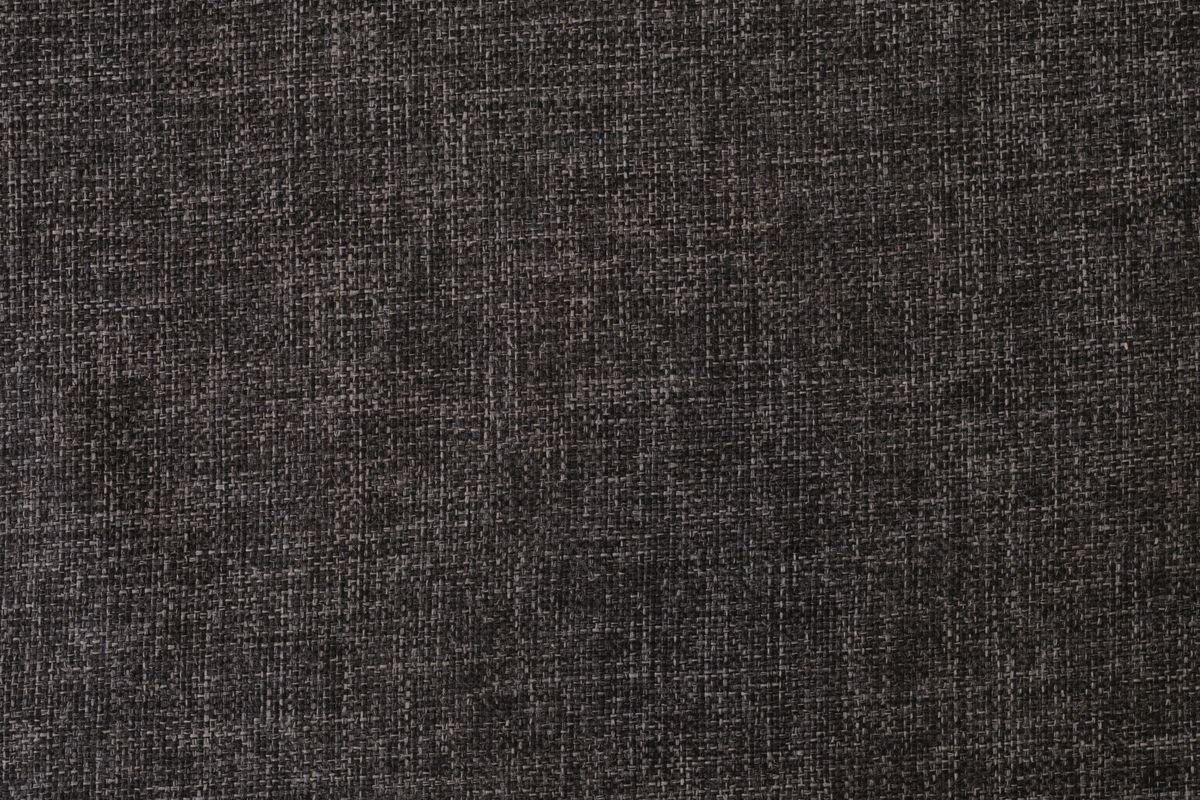
- Breathability
- Low
- Moisture
- Nylon takes up a little more water than polyester and far less than cotton, so it dries quickly and feels a little less plasticky when damp.
- How it wears
- Nylon is the most abrasion-resistant of the common synthetics and resists pilling better than polyester, though prolonged sunlight can weaken it.
- On the label
- European labels say polyamide and US labels say nylon, but they’re the same fiber. Nylon rarely appears alone, so it’s worth checking what it’s blended with.
Against skin
Like other synthetics, nylon can hold heat and moisture close to your skin, and it’s most often worn snug, which keeps that contact close and continuous. These are fabric properties, not predictions about how your skin will respond.
Nylon and polyester are the two synthetics most wardrobes are built on, and it’s easy to use the names interchangeably. They’re actually different fibers, though, and the difference shows up somewhere you’ll notice: how a garment ages.
Is Nylon the Same as Polyamide?
Yes. Polyamide is the European label name for the fiber that US tags call nylon, so it’s one fiber with two regulatory names. Nylon was the first fully synthetic fiber to reach commercial scale, developed in the 1930s as a replacement for silk in stockings. That history is helpful to know, because nylon was engineered to be fine, strong, and springy in a very thin fabric.
There’s also one small chemical difference between nylon and polyester that matters: amide groups along nylon’s polymer chain attract a small amount of water.
How Does Nylon Behave?
Nylon takes up more moisture than polyester, though still far less than cotton. In practice, that means it can feel a little less plasticky against damp skin, and it may take slightly longer to dry.
The surface of the filament is smooth, which is why nylon feels cool and slick, and also why it can build static quickly in dry air. Like any synthetic, it holds heat, since moisture has to travel out through the structure of the fabric rather than through the fiber itself.
Does Nylon Pill Less Than Polyester?
Generally, yes, and abrasion resistance is the reason. Nylon is the toughest of the common apparel synthetics when it comes to abrasion, which is why it shows up in hosiery, swimwear, bag fabric, and leggings that see hard use. In the same type of knit, nylon holds its surface longer than polyester, so it tends to resist pilling better in garments that experience repeated friction.
Nylon does have a weakness, and it’s sunlight. Prolonged UV exposure can degrade the fiber, taking strength and color along with it.
What Does Nylon Mean for Your Skin?
Nylon behaves like other synthetics in the way that matters most here. It can hold heat and moisture against your body rather than moving them away, and skin that stays warm and damp for long stretches may be more prone to irritation. Nylon is also usually worn snug, in hosiery, swimwear, and activewear, so contact with your skin tends to be close and continuous.
These are properties of a fabric and a fit, not predictions about how your skin will respond. Dermatologists commonly trace adult contact dermatitis to disperse dyes, which are used mainly on synthetics, and to nickel in snaps and zippers. If your skin regularly reacts to certain garments, talk with your dermatologist. This is general wellness information, not medical advice.
What Should You Check on the Label?
Polyamide and nylon are the same thing. A European tag reading “80% polyamide, 20% elastane” describes a nylon garment.
See what it’s blended with. Nylon rarely appears alone. It’s usually paired with elastane for stretch or with polyester for cost.
Check the blend percentages, but know their limits. Labels can sometimes mislead. In the EU’s inspection campaign published in June 2026, 132 garments were tested across eight countries, 37% were mislabeled, and blends of natural and man-made fibers failed 64% of the time.
Look for a certificate number you can verify. OEKO-TEX® Standard 100 offers a free Label Check on finished garments, and GOTS® maintains a public database of its own.
Blend claims can be the least reliable line on a tag. That’s why Lynen commissions independent accredited laboratories to check fiber composition, helping you go beyond what the label says. Wear testing for verified garments is coming to Lynen as well, though it isn’t live just yet.
How Should You Care for Nylon?
Wash cool and inside out. Nylon softens at a lower temperature than polyester, so a hot dryer can set a permanent shine into the surface.
Nylon also tends to pick up loose dye in a mixed wash, which is why white nylon can drift toward gray. Wash it with similar colors and it will stay white far longer. And if you have nylon swimwear, rinse it in cold, fresh water right after chlorine or salt, since both can wear down nylon and the elastane blended with it.
That’s really all it takes! With cool washes and a little sorting, nylon is one of the easier fibers in your closet to keep looking new.
Common questions about nylon
Is nylon the same as polyamide?
Yes. Polyamide is the European label name and nylon is the US one, so they’re the same fiber with two regulatory names. A tag reading “80% polyamide, 20% elastane” describes a nylon garment.
Does nylon pill less than polyester?
Generally, yes. Nylon resists abrasion better than polyester, so it tends to hold its surface longer in the same type of knit. That’s why nylon garments often keep a newer look under repeated friction.
Why does white nylon turn gray?
Nylon can pick up loose dye from other garments in a mixed wash, so white nylon may slowly drift toward gray. Washing it with similar colors helps it stay white much longer.
This is general wellness information drawn from published research.